Professional Tips for Setting Up Eating Room Table Legs for Maximum Security
When it involves mounting dining-room table legs, accomplishing maximum stability is critical for both capability and visual appeals. The process starts with picking the ideal materials and hardware, adhered to by careful alignment and factor to consider of weight circulation. Each action plays an important role in making certain that the ended up product withstands day-to-day usage without compromising safety or style integrity. However, comprehending the subtleties of these components can substantially influence the general end result. What certain techniques can improve security also further?
Select the Right Legs
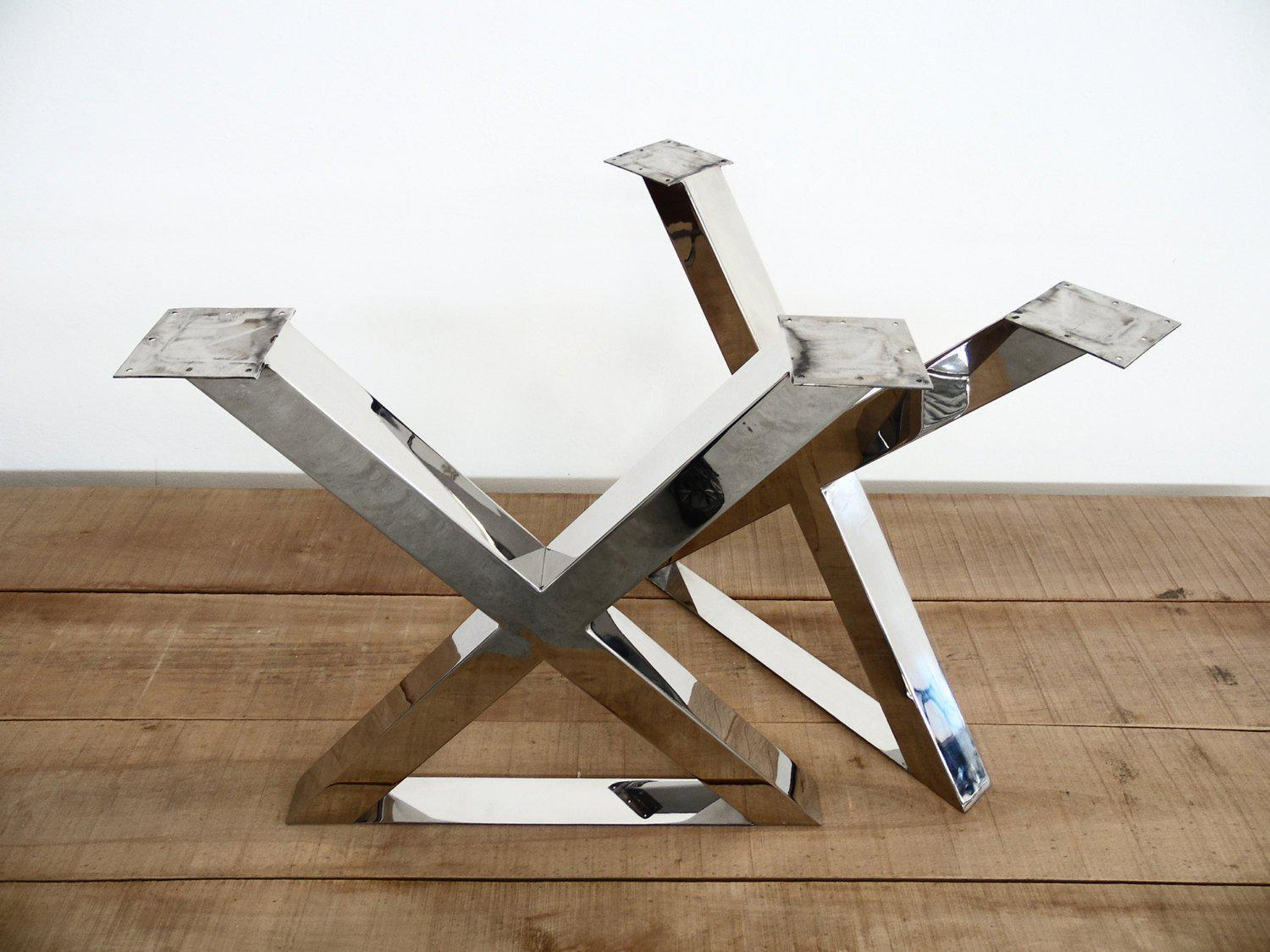
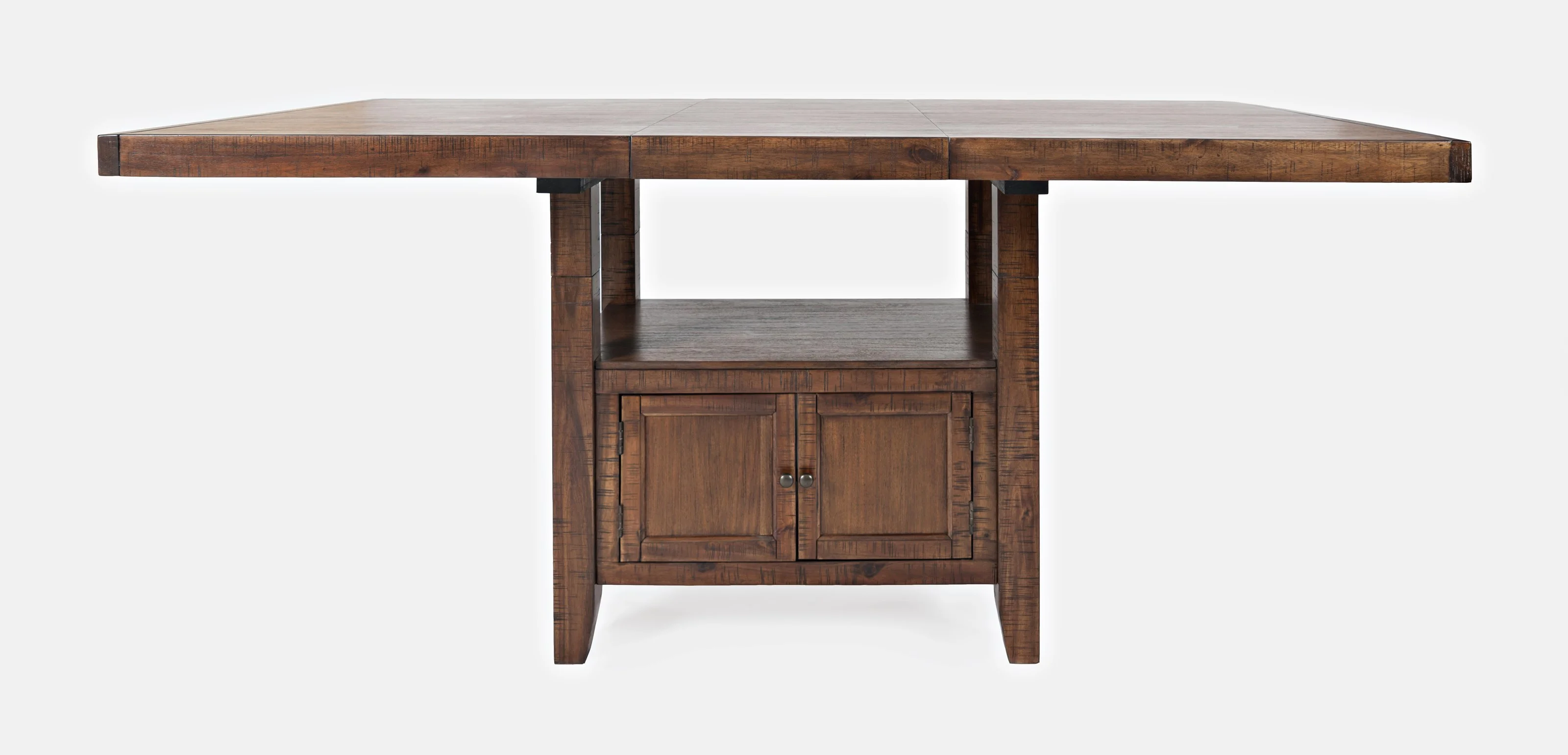
When selecting the ideal legs for your dining-room table, it is vital to consider both functionality and aesthetic appeals. The legs you pick will substantially influence the total layout and stability of the table. First, examine the table's planned use; if you anticipate regular events, sturdier legs, such as those made from solid wood or metal, may be preferable, as they supply raised toughness and support.
Typical eating tables typically vary from 28 to 30 inches in elevation, so guarantee the legs line up with this criterion for convenience. Conical legs can add a modern touch, while turned legs might communicate an extra traditional visual.
Select Appropriate Equipment
Exactly how can the right equipment improve the stability and long life of your dining-room table? The choice of appropriate hardware is critical to guaranteeing that the legs of your table are firmly attached and able to stand up to normal use. Top quality screws, screws, and brackets provide the essential stamina to support the weight of the table, along with any type of additional tons put upon it during celebrations or meals.
When selecting screws, decide for those made from durable materials such as stainless-steel or brass, which stand up to corrosion and maintain integrity gradually. The length of the screws is equally important; they ought to permeate deeply right into the table's structure without jeopardizing stability. For bolted links, think about using lock washers to stop loosening due to resonance or motion.
In addition, utilizing corner brackets can add added assistance, particularly for larger tables or those with larger tops. These braces distribute weight evenly and help keep the table's shape. Ensuring that the equipment you select is appropriate for the particular products of your table will further enhance its overall security and durability, permitting you to appreciate your dining experience for years to find.
Ensure Appropriate Alignment
Appropriate alignment of eating room table legs is crucial for both visual allure and functional stability. To attain optimal placement, begin by determining the range from the table's corners to the leg attachment factors.
Utilize a level during setup to validate that each leg is perpendicular to the tabletop. It is recommended to note the preferred leg settings on the underside of the table with a pencil or covering up tape prior to protecting them.
Moreover, confirm the placement after the initial screws are tightened, as modifications might be click over here needed prior to completely securing the hardware. By focusing on appropriate placement, you not just improve the table's overall style however also ensure that it stays useful and secure for several years to come.

Consider Weight Distribution
After ensuring correct positioning of the eating space table legs, it is very important to take into consideration weight circulation to boost stability click to investigate and performance. dining room table legs. Proper weight circulation is essential in protecting against ensuring and tottering that the table can support its intended lots without danger of tipping or collapsing
When positioning the legs, ensure they are positioned at equivalent distances from the facility of the table to uniformly disperse the weight across the framework. Think about the weight of the table top and any type of products that will regularly copyright on it, such as attractive pieces or tabletop devices. Tables over here with heavier surface areas should preferably have legs positioned closer to the corners, as this takes full advantage of the base of support and decreases the danger of instability.
In addition, if the table is meant for use in a high-traffic location, think about making use of heavier materials for the legs or adding supporting components, such as cross-bracing or a reduced rack - dining room table legs. These modifications can assist keep balance and prevent changing during use. Inevitably, a well-considered weight circulation technique will considerably improve the table's total performance, ensuring it remains a useful and eye-catching focal point for your dining space
Test Stability Before Use
Evaluating the stability of the eating space table before usage is a vital action that ought to not be forgotten. If the table shows instability, recognize the legs or joints that might need modification.
Next, inspect that all bolts and screws are tightened up properly. Loose connections can result in instability and potential damages gradually. If necessary, utilize wood glue on joints to boost stability, making sure to allow adequate drying out time.
Conclusion
In verdict, the installation of eating area table legs requires careful factor to consider of materials, weight, positioning, and hardware circulation to achieve optimum security. By selecting tough legs and high-grade fasteners, ensuring precise alignment, and dispersing weight equally, the structural stability of the table can be considerably improved. Performing a security test prior to regular use even more makes certain that the table will hold up against everyday pressures, thus offering a dependable and risk-free eating experience.
When it comes to mounting eating area table legs, achieving maximum stability is vital for both performance and looks. The legs you pick will considerably influence the general style and security of the table (dining room table legs). Standard dining tables commonly vary from 28 to 30 inches in elevation, so make certain the legs straighten with this standard for convenience.Correct alignment of eating space table legs is crucial for both aesthetic appeal and functional security.In verdict, the installment of eating space table legs requires cautious factor to consider of materials, placement, weight, and hardware distribution to attain optimum security